
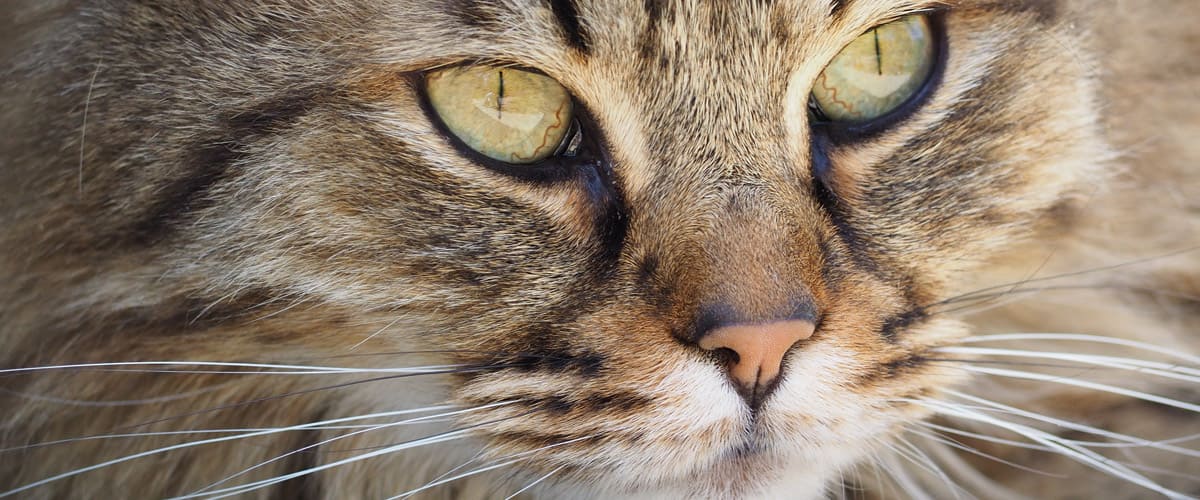
Spring into Safety: DIY Cat First Aid Tips with Dr. Justine Lee!



In this episode, emergency vet and toxicology expert Dr. Justine Lee joins us to chat about surprising springtime hazards that could put your cat at risk—and how you can be ready for anything!
Learn how to create a simple DIY first aid kit tailored just for your feline friend and hear Dr. Lee’s expert advice on what essentials to always have nearby. Plus, she shares insider tips from the animal ER to help you avoid common accidents before they happen. Don't miss this smart, practical episode packed with lifesaving info every cat parent needs this season!
Listen to Episode #146 Now:
BIO:
Justine A. Lee, DVM, DACVECC, DABT is the CEO and founder of VETgirl, a subscription-based podcast service offering RACE-approved continuing education. She is a board-certified veterinary specialist in both emergency critical care (DACVECC) and toxicologist (DABT). Currently, she works as a criticalist at Animal Emergency & Referral Center of Minnesota, and is a consultant for ELEVATE DVM, ASPCA Animal Poison Control Center, and several other veterinary companies. Previously, she was the Associate Director of Veterinary Services for an Animal Poison Control Center in Minneapolis (2013-2009) and on faculty at the University of Minnesota Veterinary Medical Center (2003-2008).
Dr. Lee graduated from Virginia Tech with a BS in Animal Sciences, and then obtained her veterinary degree at Cornell University. She pursued her internship at Angell Memorial Animal Hospital, which is affiliated with the MSPCA. In addition, she has also completed an emergency fellowship and residency at the University of Pennsylvania.
Currently, she is 1 of approximately 450 board-certified veterinary specialists world wide in emergency and critical care, and is a Diplomate of the American College of Veterinary Emergency and Critical Care (DACVECC). Dr. Lee is also a Diplomate of the American Board of Toxicology (DABT). Dr. Lee has been published in numerous veterinary journals, including the Journal of American Veterinary Medical Association, the Journal of Veterinary Emergency Critical Care, the Journal of Veterinary Internal Medicine, and the Journal of the American Animal Hospital Association. Dr. Lee is one of the editors and primary authors of Blackwell’s Five-Minute Veterinary Consult Clinical Companion: Small Animal Toxicology textbook. She is also one of the editors for the Veterinary Clinics of North America: Emergency Medicine textbook (Elsevier, 2013).
Dr. Lee is the author of two humorous pet reference books entitled It’s a Dog’s Life…but It’s Your Carpet and It’s a Cat’s World . . . You Just Live in It. She has also published several veterinary book chapters, and has been aired on radio and television to promote preventative medicine, animal health, and the overall well-being of pets. Dr. Lee is the former contributor/blogger to Prevention magazine, PetMD: The Daily Vet, and Pet Health Network. She currently blogs for Voyce, a wellness monitor collar for dogs. Dr. Lee has been featured on NBC Weekend Today, The Rachael Ray Show, WCCO, Minnesota Public Radio, and various other TV and radio engagements. Dr. Lee lectures throughout the world on emergency, critical care, and toxicology and was recently honored with the North American Veterinary Conference Small Animal Speaker of the Year(in both 2011 and 2015) and the Association des Médecines Vétérinaires du Québec (2012). When Dr. Lee is not working in the ER, she is playing ultimate Frisbee or ice hockey, hiking with her new puppy, traveling, running, gardening, or reading. Dr. Lee’s three kids include:
- • A rescued grey and white tabby cat (abandoned with head trauma) named after a former Bostonian-Irish-owned patient, “Seamus”
- • A rescued tortie cat named “Lily”
- • A rescued pit bull mix named “Milo”
Transcript:
00:00:02.160 --> 00:00:03.960
Announcer: This is Pet Life Radio.
00:00:03.960 --> 00:00:14.720
Announcer: Let's Talk Pets.
00:00:14.720 --> 00:00:16.020
Dr. Kathryn Primm: Hey, cat lovers.
00:00:16.020 --> 00:00:17.940
Dr. Kathryn Primm: Welcome to 9 Lives with Dr.
00:00:17.940 --> 00:00:18.500
Dr. Kathryn Primm: Cat.
00:00:18.500 --> 00:00:19.920
Dr. Kathryn Primm: I'm your host, Dr.
00:00:19.920 --> 00:00:23.900
Dr. Kathryn Primm: Kathryn Primm, and I'm a small animal veterinarian and cat lover.
00:00:24.257 --> 00:00:38.737
Dr. Kathryn Primm: So the goal of this show, in my mind, is to educate cat owners and help them be the best cat lover that they can be, the best equipped person to take care of their cats in the best possible way.
00:00:38.737 --> 00:00:40.637
Dr. Kathryn Primm: So today, I've invited Dr.
00:00:40.637 --> 00:00:53.217
Dr. Kathryn Primm: Justine Lee, who is an emergency veterinarian, as well as a toxicologist, to help me guide you in how to put together a DIY first aid kit for your cat.
00:02:03.475 --> 00:02:03.995
Dr. Kathryn Primm: Hi, Dr.
00:02:03.995 --> 00:02:04.535
Dr. Kathryn Primm: Lee.
00:02:04.535 --> 00:02:06.835
Dr. Justine Lee: Hi, thank you so much for having me on the show today.
00:02:06.835 --> 00:02:14.395
Dr. Kathryn Primm: I'm really excited because this is something I've really wanted to do for a long time, and I'm thrilled that you're willing to be a part of it.
00:02:14.395 --> 00:02:23.155
Dr. Kathryn Primm: So I want to sort of give some background about what you do and what you see, and why you might have an opinion on this issue.
00:02:23.155 --> 00:02:26.075
Dr. Justine Lee: Sure, so I will say it's an emergency critical care.
00:02:57.395 --> 00:03:03.195
Dr. Kathryn Primm: Maybe something that they could watch for or understand more about the dangers of Easter lilies.
00:03:03.195 --> 00:03:03.775
Dr. Kathryn Primm: Sure.
00:03:03.775 --> 00:03:11.455
Dr. Justine Lee: So the first thing to remember is a lot of plants are oftentimes called lily, and not all lilies are poisonous.
00:03:11.455 --> 00:03:15.675
Dr. Justine Lee: So you want to actually confirm whether or not it's a poisonous type of lily or not.
00:03:15.675 --> 00:03:23.155
Dr. Justine Lee: Now, the two biggest types that I worry about the most are what we call true lilies, or lilium, or hemorrhagalus species.
00:03:23.155 --> 00:03:25.035
Dr. Justine Lee: And these come in all different types.
00:03:25.035 --> 00:03:27.815
Dr. Justine Lee: So it could be Easter lilies that you bring home from church.
00:03:27.815 --> 00:03:30.535
Dr. Justine Lee: They're usually white with a beautiful bloom.
00:03:30.535 --> 00:03:32.755
Dr. Justine Lee: And pet owners have to be able to recognize that.
00:03:32.755 --> 00:03:42.995
Dr. Justine Lee: But don't forget about the Asiatic lily, the Japanese show lily, the Oriental lily, even some species of day lily, the tiger lily, the wood lily, the red lily.
00:03:42.995 --> 00:03:45.475
Dr. Justine Lee: So a ton of different dangerous types.
00:03:45.475 --> 00:03:52.875
Dr. Justine Lee: It only takes two or three leaves, or even the water in the vase, or the pollen to result in severe kidney failure in cats.
00:03:52.875 --> 00:03:54.815
Dr. Justine Lee: And a lot of pet owners don't know about it.
00:03:54.815 --> 00:04:10.695
Dr. Justine Lee: So I always say before you even think about bringing any fresh cut flower or any bouquet from a florist into your house, you always want to check with your vet, your ER vet, or the ASPCA Animal Poison Control Center to make sure it's a safe plant for your cat.
00:04:10.695 --> 00:04:19.635
Dr. Kathryn Primm: So I love the ASPCA Animal Poison Control Center because they have a great website and they have pictures and it is a really, really good thing.
00:04:19.635 --> 00:04:24.655
Dr. Kathryn Primm: They also have a phone number that I wanted my cat lovers to be sure and be aware of.
00:04:24.655 --> 00:04:33.875
Dr. Kathryn Primm: It is 888-426-4435, and we'll try to include that number in the write up associated with the show.
00:04:33.875 --> 00:04:37.255
Dr. Kathryn Primm: So are there any other things that you might want to cover?
00:04:37.255 --> 00:04:43.635
Dr. Kathryn Primm: I want to get back to the Do It Yourself First Aid Kit, but this is so important because it is so life-threatening.
00:04:43.715 --> 00:04:49.475
Dr. Kathryn Primm: Is there anything else that my Kat-loving listeners need to know about houseplants specifically?
00:04:49.475 --> 00:04:57.815
Dr. Justine Lee: So not only are Easter lilies an issue, but during this time of the year, a lot of people are doing spring planting of spring bulbs.
00:04:57.815 --> 00:05:02.255
Dr. Justine Lee: So they may have spring bulbs or even fertilizer products around the house.
00:05:02.255 --> 00:05:04.875
Dr. Justine Lee: Now thankfully, cats have such a discriminating palate.
00:05:04.875 --> 00:05:06.555
Dr. Justine Lee: In other words, they're not gorgers.
00:05:06.555 --> 00:05:09.515
Dr. Justine Lee: They don't eat a ton of a product the way a dog would.
00:05:09.515 --> 00:05:16.675
Dr. Justine Lee: But I always say if you're about to garden, you're about to mulch, you're about to compost, please keep all that stuff out of your cat's reach.
00:05:16.675 --> 00:05:21.895
Dr. Justine Lee: The bigger danger that I see during Easter time include things like Easter grass.
00:05:21.895 --> 00:05:23.155
Dr. Justine Lee: Now this isn't real grass.
00:05:23.155 --> 00:05:28.955
Dr. Justine Lee: This is the fake stuff, the plastic strands of Easter grass that you put in your child's Easter basket.
00:05:28.955 --> 00:05:30.535
Dr. Justine Lee: And most people think, eh, it's plastic.
00:05:30.535 --> 00:05:31.995
Dr. Justine Lee: It's not gonna be a big deal.
00:05:31.995 --> 00:05:40.435
Dr. Justine Lee: When in actuality, I've seen cats that develop something called the linear foreign body, which is a really, really dangerous type of obstruction.
00:05:40.775 --> 00:05:44.855
Dr. Justine Lee: In other words, cats are so curious, they're gonna eat that Easter grass.
00:05:44.855 --> 00:05:56.755
Dr. Justine Lee: And unfortunately, when they swallow it, it's so long and ropey that that string wraps around their tongue or even gets stuck in the end of their stomach, and it saws through their intestine.
00:05:56.755 --> 00:06:02.615
Dr. Justine Lee: So keep Easter grass, Easter lilies, gardening products out of reach this time of the year.
00:06:02.635 --> 00:06:07.055
Dr. Kathryn Primm: I actually have treated a cat with Easter grass as well, so I'm glad that you brought that up.
00:06:07.055 --> 00:06:13.235
Dr. Kathryn Primm: We don't think of it as a dangerous thing, although I think about how much it irritates me to pick it up all over the floor for months.
00:06:13.235 --> 00:06:17.835
Dr. Kathryn Primm: But yes, that is certainly something we want everyone to be aware of.
00:06:17.835 --> 00:06:27.615
Dr. Kathryn Primm: So along the line of springtime hazards, there are other things that sort of seem to happen in the spring that you may have seen coming in the door of your ER.
00:06:27.615 --> 00:06:38.235
Dr. Justine Lee: During this time of the year, I do worry about spring cleaning, and that's because people are motivated to open their windows and clean their bathrooms, clean their garage.
00:06:38.235 --> 00:06:42.575
Dr. Justine Lee: And what they don't realize is cats have an altered liver metabolism.
00:06:42.575 --> 00:06:47.115
Dr. Justine Lee: So their liver can't metabolize certain chemicals as well as dogs can.
00:06:47.115 --> 00:06:54.875
Dr. Justine Lee: For that reason, there are some products around the house that are totally safe for dogs, but even a few licks are really dangerous to cats.
00:06:54.875 --> 00:07:02.235
Dr. Justine Lee: So I always say, if you're going to spring clean this time of the year, please do so, but keep your cats secured in one room.
00:07:02.235 --> 00:07:10.435
Dr. Justine Lee: In other words, lock them in the bathroom or lock them in the bedroom with their own kitty litter, their own water and their own food while you clean the rest of the house.
00:07:10.435 --> 00:07:22.795
Dr. Justine Lee: That's because even something that seems benign, like liquid laundry detergent, after all we stick our hand in it when we're washing our clothes, even a few licks of it can result in corrosive burns in a cat.
00:07:22.795 --> 00:07:31.475
Dr. Justine Lee: Again totally safe to you and your dog, but because of that altered liver problem in cats can definitely be corrosive and result in burns and other medical problems.
00:07:31.475 --> 00:07:37.695
Dr. Kathryn Primm: I think that a lot of people think that if a product says that it's natural, that it means that it's safe.
00:07:37.695 --> 00:07:42.175
Dr. Kathryn Primm: And your point is well taken, it doesn't mean that it's safe for cats.
00:07:42.175 --> 00:07:49.255
Dr. Kathryn Primm: So read your labels and just keep your cats away from these things when you're cleaning and safe.
00:07:49.255 --> 00:07:54.915
Dr. Justine Lee: Well, one of the emergencies that I hate seeing through the ER vet is something called high rise syndrome.
00:07:54.915 --> 00:07:57.075
Dr. Justine Lee: And thankfully, I hardly see this anymore.
00:07:57.075 --> 00:08:05.195
Dr. Justine Lee: But when I used to live in Boston and Philly, I would see cats that fall out of the windows of really high apartment complexes.
00:08:05.515 --> 00:08:07.495
Dr. Justine Lee: And this completely freaks out pet owners.
00:08:07.495 --> 00:08:09.715
Dr. Justine Lee: It can be really deadly to your cat.
00:08:09.715 --> 00:08:19.975
Dr. Justine Lee: And so why do we say if you're spring cleaning or you're trying to open up the windows to allow some fresh air to come in, please make sure that your cat cannot fall out the window.
00:08:19.975 --> 00:08:32.615
Dr. Justine Lee: You have to make sure that those screens are well secured, or you use screen protectors, or you open it from the very top of the windows and just crack it open, because I've seen way too many cats accidentally fall out.
00:08:32.615 --> 00:08:46.155
Dr. Justine Lee: The interesting thing about something called high rise syndrome is that cats actually are able to reach terminal velocity, which means that depending on the height that they fall from, it may be more dangerous than other heights.
00:08:46.155 --> 00:08:53.735
Dr. Justine Lee: In other words, if your cat falls from the 20th floor versus the third floor, it's actually the third floor that's the most dangerous.
00:08:53.735 --> 00:09:02.035
Dr. Justine Lee: And that's because if your cat falls from a really high apartment complex, they're able to spread out their legs and reach terminal velocity and slow down a little bit.
00:09:02.535 --> 00:09:05.695
Dr. Justine Lee: So the biggest danger is actually falling five stories or less.
00:09:05.695 --> 00:09:08.195
Dr. Justine Lee: Regardless, it's so scary for cat owners.
00:09:08.195 --> 00:09:16.515
Dr. Justine Lee: So please make sure you're not keeping those windows open or that you have a really, really good screen protector to keep your cats safe.
00:09:16.515 --> 00:09:24.055
Dr. Justine Lee: Unfortunately, when we do see high rise syndrome in cats, I typically will see really bad trauma to the jaw and the chest.
00:09:24.055 --> 00:09:31.055
Dr. Justine Lee: In other words, cats will hit the cement and they'll fracture their jaw or their mandible and crack it right in the middle.
00:09:31.455 --> 00:09:38.175
Dr. Justine Lee: They can get lung tears, they can get internal bleeding, they can get rib fractures, they can fracture their legs.
00:09:38.175 --> 00:09:50.155
Dr. Justine Lee: So we always want to make sure to keep our cats safe by again, keeping those poisonous plants out of reach, like those Easter lilies, keeping certain seasonal poisons, like Easter grass out of the way.
00:09:50.155 --> 00:10:01.615
Dr. Justine Lee: If you're spring cleaning, making sure to keep those household chemicals out of reach, making sure those household cleaners dry appropriately, and that you're keeping your cats safe near open windows.
00:10:01.615 --> 00:10:15.255
Dr. Kathryn Primm: So, that kind of brings me to the portion that I was very excited about talking to you about, of what can we put together at our home to kind of have a first aid kit, since most of us don't live right next door to a veterinarian.
00:10:15.255 --> 00:10:34.075
Dr. Kathryn Primm: What are some things that my listeners could learn about maybe assessing a pet with an injury or a suspected ingestion of a toxin, and kind of deciding how to triage that, and then have what items might they need to keep things kind of calmed down until they can get to the vet?
00:10:34.075 --> 00:10:35.695
Dr. Justine Lee: That is such a great question, Dr.
00:10:35.695 --> 00:10:36.095
Dr. Justine Lee: Kat.
00:10:36.095 --> 00:10:42.715
Dr. Justine Lee: I will say, cats are really hard to be able to pick up on medical problems because they are so stoic.
00:10:42.715 --> 00:10:48.955
Dr. Justine Lee: In other words, just like the big cats that they've evolved from, they don't show their signs until it's really, really severe.
00:10:48.955 --> 00:10:50.835
Dr. Justine Lee: They don't want someone taking over the pride.
00:10:50.835 --> 00:10:52.955
Dr. Justine Lee: So again, they're going to mask their signs.
00:10:52.955 --> 00:10:58.155
Dr. Justine Lee: So I always tell people, the best thing you can do is pick up on signs as early as possible.
00:10:58.515 --> 00:11:13.035
Dr. Justine Lee: If you even think that your cat is hiding or they're drinking a little bit more than usual, or the clumps in the litter box are bigger than the fist of your hand, you want to seek veterinary attention sooner than later versus ending up in the emergency room.
00:11:13.035 --> 00:11:21.775
Dr. Justine Lee: I always tell people when it comes to poisoning with cats, there is nothing safe that you can give at home as a cat owner to induce vomiting.
00:11:21.775 --> 00:11:24.015
Dr. Justine Lee: You have to get to the veterinarian.
00:11:24.015 --> 00:11:32.195
Dr. Justine Lee: Now, trust me, as an emergency critical care specialist and toxicologist, I see a lot of erroneous wrong advice on the internet.
00:11:32.195 --> 00:11:35.295
Dr. Justine Lee: You do not give hydrogen peroxide or anything else to your cat.
00:11:35.295 --> 00:11:39.555
Dr. Justine Lee: You go straight to the vet or the ER vet if your cat ate something poisonous.
00:11:39.555 --> 00:11:50.035
Dr. Justine Lee: And more importantly, realize that with any poisoning or any medical problem, the sooner you recognize a problem, the sooner we vets can treat it, and the better the prognosis.
00:11:50.035 --> 00:11:55.735
Dr. Justine Lee: And to be quite honest, it's going to be less expensive for you if you bring in your cat sooner versus later.
00:11:55.735 --> 00:12:05.235
Dr. Justine Lee: For example, with Easter lilies, we know that if your cat ate a few leaves, it will cause kidney failure in typically 24 to 36 hours.
00:12:05.235 --> 00:12:11.755
Dr. Justine Lee: But if you bring them in immediately, sometimes we have time to pump the stomach and give charcoal to bind up the poison.
00:12:11.755 --> 00:12:24.475
Dr. Justine Lee: We'll still need to keep your cat on IV fluids for 24 to 48 hours, but the prognosis is much, much better, and it'll be way less expensive than treating your cat once already in kidney failure, which could cost five to $8,000.
00:12:25.435 --> 00:12:32.135
Dr. Justine Lee: So, when in doubt, pet proof your house, cat proof it, make sure you're not bringing in any poisonous plants.
00:12:32.135 --> 00:12:43.315
Dr. Justine Lee: And if you do think that your cat may have eaten something poisonous, please again, call your veterinarian, your emergency veterinarian, or the ASPC Animal Poison Control Center for life-saving advice.
00:12:43.315 --> 00:12:51.515
Dr. Justine Lee: I should disclose there is a small fee for calling, but that may help you determine whether or not your cat even needs to go into the vet or the ER vet.
00:12:51.815 --> 00:12:55.295
Dr. Justine Lee: And it also provides advice for your vet on how to treat that case.
00:12:55.295 --> 00:13:07.035
Dr. Kathryn Primm: So I think the first important components of a first aid kit for your cat, what you're saying is your vet's phone number and the ASPCA emergency poison animal poison control phone number.
00:13:07.035 --> 00:13:10.515
Dr. Kathryn Primm: So those are great things to put in your first aid kit.
00:13:10.515 --> 00:13:11.615
Dr. Justine Lee: I totally agree.
00:13:11.615 --> 00:13:17.895
Dr. Justine Lee: I'm neurotic about my own pets, and I actually pre-program my cell phone and my GPS in my car.
00:13:18.315 --> 00:13:27.715
Dr. Justine Lee: So if something happens and someone needs to go to the local vet or the emergency doctor or a call right away, we have all that information already pre-programmed in there.
00:13:27.715 --> 00:13:30.215
Dr. Justine Lee: You bring up a great point about first aid kits.
00:13:30.215 --> 00:13:39.415
Dr. Justine Lee: There are a lot of great first aid kits out there for humans, but there are a couple of unique things that cat owners need to have in their cat first aid kit.
00:13:39.415 --> 00:13:48.475
Dr. Kathryn Primm: Well, I think that there are things that can happen to cats that maybe aren't a dire emergency where you got to whip out that GPS and you might debate, what should I do?
00:13:48.475 --> 00:13:50.355
Dr. Kathryn Primm: Things like wounds and injuries and things.
00:13:50.355 --> 00:13:57.715
Dr. Kathryn Primm: So are there things in the first aid kit that you could at least pull out to sort of stabilize until you could get to the veterinarian?
00:13:57.715 --> 00:13:58.795
Dr. Justine Lee: Absolutely.
00:13:58.795 --> 00:14:18.155
Dr. Justine Lee: So the first thing that I recommend for a first aid kit, just in case there are some things you can do at home, is again, get a copy of your cat's medical record, make sure the phone number is printed out for your vet, emergency vet, and the ASPCA, print out directions, and then make sure to buy a standard human first aid kit.
00:14:18.155 --> 00:14:20.755
Dr. Justine Lee: That oftentimes has a lot of the things that we need.
00:14:20.755 --> 00:14:27.035
Dr. Justine Lee: It's gonna have bandages, it's gonna have some gauze, it might have some tweezers, it might have gloves in there.
00:14:27.035 --> 00:14:33.675
Dr. Justine Lee: But a couple other things that I want you to add in include getting certain types of bandage material or things like vet wrap.
00:14:33.675 --> 00:14:36.055
Dr. Justine Lee: You can always purchase this from your veterinarian.
00:14:36.055 --> 00:14:46.395
Dr. Justine Lee: And we wanna make sure it's clean or sterile, because if your cat has a really bad wound, sometimes being able to put a light bandage on as you seek veterinary attention will help keep it clean.
00:14:46.395 --> 00:14:52.015
Dr. Justine Lee: The other important thing is to have non-latex gloves in there, a pen light and a thermometer.
00:14:52.015 --> 00:14:55.915
Dr. Justine Lee: Now, I don't recommend using a mercury thermometer.
00:14:55.915 --> 00:15:02.195
Dr. Justine Lee: I recommend using something like a kid's digital thermometer along with some sterile lubrication packets.
00:15:02.195 --> 00:15:08.815
Dr. Justine Lee: Most of the time, I don't want cat owners taking their cat's temperature at home because the only true accurate way is rectally.
00:15:09.295 --> 00:15:15.875
Dr. Justine Lee: And so, it's oftentimes safer for us as veterinary professionals to do it, but it is good to have in case of an emergency.
00:15:15.875 --> 00:15:23.575
Dr. Justine Lee: The other thing that I like to have is I like to have a pillow case if in an event that you need to grab your cat and go immediately.
00:15:23.575 --> 00:15:26.595
Dr. Justine Lee: This is especially important during natural disasters.
00:15:26.595 --> 00:15:35.475
Dr. Justine Lee: So say there's a hurricane or something and you need to evacuate immediately and you can't find your cat carrier, this is a great emergency way of being able to secure your cat.
00:15:35.795 --> 00:15:41.115
Dr. Justine Lee: Making sure that you have a blanket in there or a towel to help wrap your cat in case of emergency.
00:15:41.115 --> 00:15:50.555
Dr. Justine Lee: I also like to have what we call an Elizabethan collar or an e-collar just in case your cat has an injury and you need to protect it by using an e-collar.
00:15:50.555 --> 00:15:53.895
Dr. Justine Lee: Now you're probably thinking, when do I need to put an e-collar on my cat?
00:15:53.895 --> 00:16:01.855
Dr. Justine Lee: Well, if your cat gets something bad in its eye that could be really dangerous like something corrosive, we don't want your cat scratching at the eye.
00:16:01.855 --> 00:16:04.395
Dr. Justine Lee: So an e-collar would be the perfect time to put it on.
00:16:04.695 --> 00:16:12.515
Dr. Justine Lee: The last few things that I would add into a pet first aid kit specifically for cats include a can of tuna and water.
00:16:12.515 --> 00:16:15.675
Dr. Justine Lee: You also want to make sure you have a can opener so you can open that.
00:16:15.675 --> 00:16:31.635
Dr. Justine Lee: That's because if cats eat something that's bitter or makes them drool a lot or can cause ulcers in their mouth or burns in their esophagus, I want you to give something tasty like that canned tuna water, which will help wash the poison out of the mouth and out of the esophagus.
00:16:31.975 --> 00:16:41.395
Dr. Justine Lee: The next thing that I want you to have in a cat specific first aid kit is a small travel size container of Dawn for cleaning dishes in a sink.
00:16:41.395 --> 00:16:43.455
Dr. Justine Lee: So something like a liquid dish soap.
00:16:43.455 --> 00:16:53.095
Dr. Justine Lee: If you accidentally get a chemical or even a dog flea and tick medication that's poisonous to cats on their skin, I want you to be able to bathe it off.
00:16:53.095 --> 00:16:58.675
Dr. Justine Lee: And you want to be able to bathe it with a liquid dish soap like Dawn that's very, very gentle.
00:16:58.675 --> 00:17:18.095
Dr. Justine Lee: The last few things I would include in your cat first aid kit include an up-to-date copy of your cat's rabies certificate, along with some type of collar and a recent picture, just in case you're separated from your cat and you can ID it, which brings up another point of why it's so important to get your cat microchipped just in case of emergency.
00:17:18.095 --> 00:17:24.955
Dr. Justine Lee: I also want you to have scissors, tweezers, and a new container of sterile eye flush.
00:17:24.955 --> 00:17:27.255
Dr. Justine Lee: You're probably thinking, I'm never going to use that.
00:17:27.255 --> 00:17:34.975
Dr. Justine Lee: But again, if your cat gets something corrosive in the eye, I want you to be able to have the ability to flush out your cat's eye in case of emergency.
00:17:34.975 --> 00:17:36.515
Dr. Justine Lee: What should you not have?
00:17:36.515 --> 00:17:40.075
Dr. Justine Lee: I don't want you to have any over-the-counter medications.
00:17:40.075 --> 00:17:44.975
Dr. Justine Lee: Remember, one Tylenol, which contains acetaminophen, can kill your cat.
00:17:44.975 --> 00:17:53.775
Dr. Justine Lee: So you should never, ever, ever give any type of medications to your cat without checking with your veterinarian or the ASPCA Animal Poison Control Center first.
00:17:53.775 --> 00:17:55.815
Dr. Justine Lee: The other thing is triple antibiotic.
00:17:55.815 --> 00:17:59.075
Dr. Justine Lee: Triple antibiotic ointment typically comes in a human first aid kit.
00:17:59.355 --> 00:18:08.675
Dr. Justine Lee: And to be quite honest, we rarely ever want you to use this in cats, because rarely cats can have an anaphylactic reaction that can be deadly to triple antibiotic ointment.
00:18:08.675 --> 00:18:15.615
Dr. Justine Lee: There's other ointments that we can use in cases of emergency, but I do not want you to use triple antibiotic in your cat.
00:19:43.937 --> 00:19:48.317
Dr. Kathryn Primm: So you were just discussing maybe some things we don't wanna have.
00:19:48.317 --> 00:19:49.597
Dr. Kathryn Primm: So I'd like to continue with that.
00:19:49.597 --> 00:19:57.617
Dr. Kathryn Primm: I mean, how many times have you had a cat come in where the owner said, well, I put a little antibiotic cream on it, and I hear it every day.
00:19:57.617 --> 00:19:59.057
Dr. Kathryn Primm: So that is an important thing.
00:19:59.057 --> 00:20:00.397
Dr. Kathryn Primm: Is there anything else?
00:20:00.397 --> 00:20:01.457
Dr. Justine Lee: That's a great point, Dr.
00:20:01.457 --> 00:20:01.697
Dr. Justine Lee: Kat.
00:20:01.897 --> 00:20:13.037
Dr. Justine Lee: I will say that one of the biggest dangers that I see is when well-intentioned cat owners will use products that they don't know if it's dangerous or not and use it on their cat.
00:20:13.037 --> 00:20:16.077
Dr. Justine Lee: So I already mentioned before inducing vomiting.
00:20:16.077 --> 00:20:21.417
Dr. Justine Lee: We can safely induce vomiting at home with dog owners, but again, never with cats.
00:20:21.417 --> 00:20:35.117
Dr. Justine Lee: The second thing is human, over-the-counter medications we never want to give to our cats, so drugs like ibuprofen or Tylenol, which is acetaminophen, or naproxen, which is often called Alee, we never want to use.
00:20:35.117 --> 00:20:41.257
Dr. Justine Lee: Using another cat's or another family member's medication also is a big no-no.
00:20:41.257 --> 00:20:47.597
Dr. Justine Lee: For example, I oftentimes will see cat owners use an old cat's ointment for their eye.
00:20:47.597 --> 00:20:51.737
Dr. Justine Lee: And just so you know, that can actually make your cat's eye worse.
00:20:51.737 --> 00:21:09.097
Dr. Justine Lee: If your cat has an upper respiratory infection and it's ulcers on the eye, we oftentimes will treat with a teromycin or urethromycin eye ointment, but we don't want to just randomly reach for an old tube of eye ointment that may be old and expired.
00:21:09.097 --> 00:21:20.677
Dr. Justine Lee: And the main reason why is because if your cat has an ulcer on the cornea, the surface of the eye, if you use the wrong tube and it contains a steroid, it will actually make your cat's ulcers worse.
00:21:20.677 --> 00:21:23.817
Dr. Justine Lee: Same exact thing with over-the-counter household products.
00:21:24.337 --> 00:21:32.397
Dr. Justine Lee: I've had some pet owners who will bring in their cat and say, oh, I sprayed this roach and ant spray on my cat because I saw fleas in the house.
00:21:32.397 --> 00:21:34.357
Dr. Justine Lee: That's really poisonous to a cat.
00:21:34.357 --> 00:21:38.037
Dr. Justine Lee: And again, it can contain chemicals that can be really dangerous.
00:21:38.037 --> 00:21:41.257
Dr. Justine Lee: So when in doubt, please never use any of these medications.
00:21:41.257 --> 00:21:44.037
Dr. Justine Lee: And keep in mind, there's some erroneous information on the internet.
00:21:44.037 --> 00:21:49.677
Dr. Justine Lee: So you always want to check with your veterinarian or your ER vet before you apply any of these products.
00:21:49.677 --> 00:21:51.457
Dr. Kathryn Primm: Okay, so that's my pet peeve.
00:21:51.657 --> 00:21:53.257
Dr. Kathryn Primm: Ha ha.
00:21:53.257 --> 00:22:01.697
Dr. Kathryn Primm: That people apply old medications or medications prescribed for another pet or even another species that I hate, and it's really a bad idea.
00:22:01.697 --> 00:22:07.657
Dr. Kathryn Primm: So all my listeners out there, throw away all of your old medications and never, ever use them in an inappropriate way.
00:22:07.657 --> 00:22:12.557
Dr. Kathryn Primm: Well, I'd like to thank all of you guys for listening to us today, and especially Dr.
00:22:12.557 --> 00:22:19.417
Dr. Kathryn Primm: Justine Lee for sharing her knowledge about emergency situations and do-it-yourself first aid kits.
00:22:19.777 --> 00:22:24.137
Dr. Kathryn Primm: And as always, I want to thank our amazing producer Mark Winter.
00:22:24.137 --> 00:22:29.277
Dr. Kathryn Primm: And I want all my cat lovers to go out and have a purrfect day.
00:22:29.277 --> 00:22:30.637
Announcer: Let's Talk Pets.
00:22:30.637 --> 00:22:32.657
Announcer: Every week on demand.
00:22:32.657 --> 00:22:34.377
<v SPEAKER_3>Only on petliferadio.com.
00:22:34.377 --> 00:22:35.277
Announcer: petliferadio.com